- Innovation Village Newsletter
- Posts
- Innovation Village Weekly Roundup: Issue 60/26
Innovation Village Weekly Roundup: Issue 60/26

Innovation Village
March 28, 2026 • Estimated Reading Time: 9 minutes

Sponsored by

Every week, Africa’s technology and business ecosystem reveals how momentum is truly being built — through capital moving into sectors that power everyday economic activity, infrastructure projects that expand connectivity, regulatory decisions that reshape operating environments, and product innovations that quietly redefine how people interact with digital services. This week’s developments across fintech, telecom infrastructure, enterprise technology, and ride-hailing services reflect an ecosystem that is steadily becoming more structured, more resilient, and increasingly focused on long-term value creation rather than short-term expansion.
Several of the week’s stories illustrate how markets across the continent are entering a phase of consolidation and strategic refinement. Corporate acquisitions, regulatory updates, and infrastructure investments show companies and governments placing greater emphasis on stability, compliance, and operational efficiency. Financial institutions are expanding services and refining digital offerings, telecom regulators are tightening oversight around cybersecurity and SIM management, and new infrastructure initiatives — from fibre expansion to satellite connectivity — continue to push the boundaries of access across urban and rural markets.
As you move through this week’s roundup — from market movers and funding highlights to emerging signals and opportunities worth acting on — a clear pattern emerges. Africa’s digital economy is increasingly defined not just by innovation, but by intentionality. Infrastructure is being strengthened, regulatory frameworks are becoming clearer, Together, these developments reflect a continent steadily reinforcing the systems and structures that will support its next phase of technological and economic growth.
🌍The Movers — Who set the agenda this week?
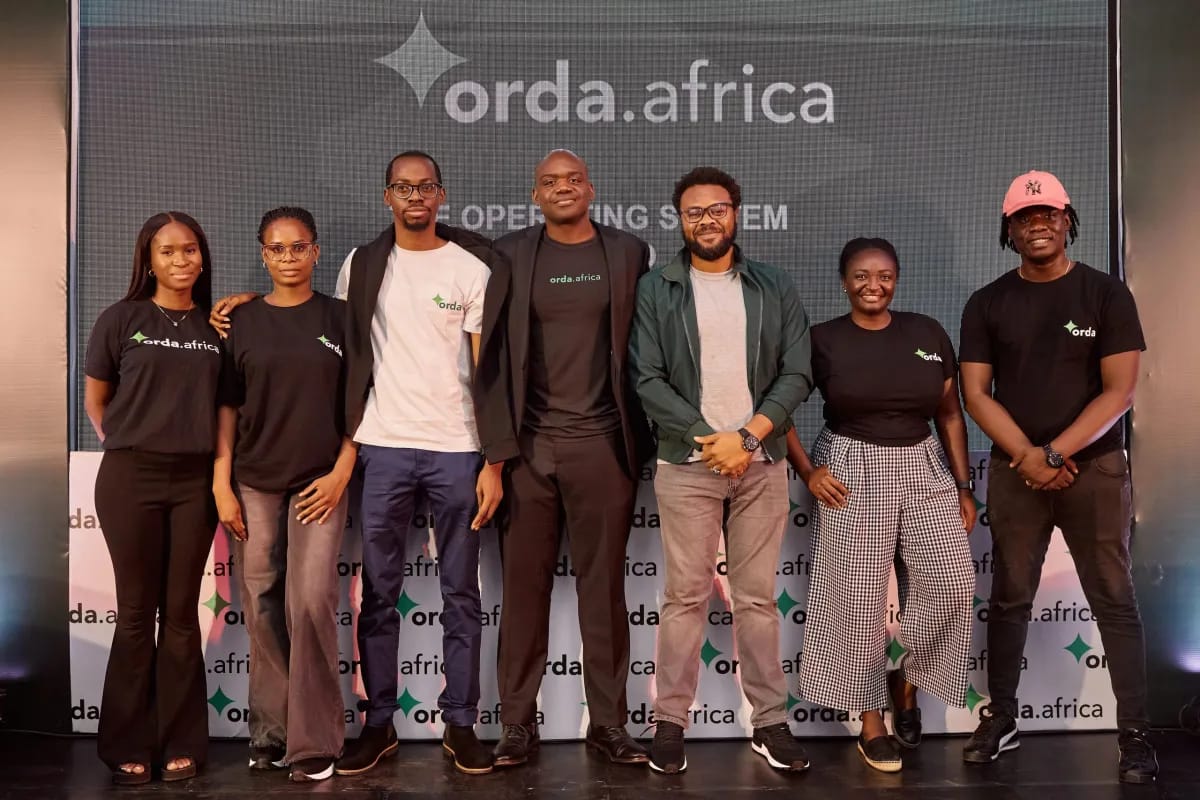
Moniepoint acquires Orda to launch Moniebook for Restaurants in major fintech expansion-
Moniepoint’s acquisition of Orda marks a decisive move beyond core payments into embedded business infrastructure for merchants. By integrating Orda’s restaurant management capabilities into its ecosystem, Moniepoint is building a vertically integrated platform that combines payments, inventory, and operational tools. This positions the company as a full-stack financial and business operating system for SMEs, particularly in hospitality.Legend, Spectranet plan broadband merger-
The proposed merger between Legend and Spectranet signals consolidation within Nigeria’s broadband sector, where high infrastructure costs and competitive pricing pressures have made standalone growth increasingly difficult. By combining resources, both companies can optimize network coverage, reduce duplication, and improve service quality. This reflects a broader industry trend where telecom and ISP players are merging to achieve scale and remain competitive in a data-driven economy.MTN shuts down Ayoba to focus on unified digital platform-
MTN’s decision to shut down Ayoba highlights a strategic shift away from fragmented digital products toward a more consolidated platform approach. Ayoba, once positioned as a superapp, struggled to achieve the scale necessary to compete with established messaging and content platforms. By streamlining its digital offerings, MTN is signaling a focus on efficiency, integration, and core value delivery rather than maintaining multiple underperforming products.Uber, Bolt drivers in Benin begin 7-day strike over low fares-
The extended strike by ride-hailing drivers in Benin underscores persistent structural issues within Africa’s gig economy. Drivers are increasingly pushing back against declining earnings driven by fare controls, commission structures, and rising operational costs. This situation reflects a growing tension between platform scalability and worker sustainability, and may prompt regulatory bodies to intervene more actively in gig economy pricing models.OpenAI shuts down Sora, ending $1 billion Disney partnership in strategic AI pivot-
OpenAI’s decision to discontinue Sora and unwind a major partnership signals a recalibration of its product and partnership strategy. Rather than pursuing capital-intensive media collaborations, the company appears to be refocusing on scalable, infrastructure-level AI offerings. This move reflects a broader industry trend where AI companies are prioritizing core platforms and monetizable APIs over experimental or high-risk partnerships.
💰 Recent Funding Highlights

Sistema.bio raises $53M for clean energy in Africa -Hlayisani Sistema.bio’s funding round highlights sustained investor interest in climate-focused infrastructure, particularly solutions addressing energy access and agricultural sustainability. The company’s biodigester technology supports smallholder farmers by converting waste into renewable energy and organic fertilizer. This investment underscores the growing alignment between climate impact and commercial viability in Africa’s energy sector.
South African fintech Happy Pay secures $5M to scale interest-free BNPL-Happy Pay’s raise reflects the continued expansion of alternative credit models across Africa, particularly buy-now-pay-later solutions tailored to underserved consumers. By offering interest-free payment options, the company is targeting a segment often excluded from traditional credit systems. The funding will likely support product development, merchant acquisition, and regional expansion.
Adenia Entrepreneurial Fund I backs Maymana in its first major investment-
Adenia’s first deployment from its Entrepreneurial Fund signals confidence in founder-led businesses with scalable models. The investment in Maymana indicates a focus on companies addressing real economic needs while maintaining strong operational fundamentals. It also reflects a broader trend of private equity firms targeting mid-market growth opportunities across Africa.3MTT Programme gets EU boost as Finland leads Nigeria digital initiative-
The additional funding and support for Nigeria’s 3MTT programme highlights growing international collaboration in building digital talent pipelines. By investing in skills development, the initiative aims to prepare millions of Nigerians for global tech roles. This funding underscores the recognition that human capital development is a critical pillar of Africa’s digital economy.
📡 Signals

Kenya bars telcos from recycling numbers without consent
This regulatory move signals a shift toward stronger consumer protection in telecommunications. By restricting number recycling, regulators aim to reduce fraud, identity misuse, and privacy risks associated with reassigned phone numbers. It reflects a broader trend of tightening oversight in digital identity systems.Why Namibia denied Starlink’s telecoms licence
Namibia’s decision to deny Starlink a license highlights growing regulatory caution around foreign-controlled digital infrastructure. Governments are increasingly weighing issues of data sovereignty, national security, and economic control when approving satellite internet providers. This signals that market entry for global tech firms will face stricter scrutiny.Nigeria, Finland sign cybersecurity MoU
The cybersecurity agreement reflects increasing recognition of digital security as a national priority. As cyber threats grow alongside digital adoption, cross-border collaborations are becoming essential for building resilient systems and sharing expertise.Kenya tightens phone rules to block low-quality devices
This policy signals an effort to improve network efficiency and user experience by restricting substandard devices that strain telecom infrastructure. It also reflects a broader push toward quality control in rapidly expanding mobile markets.
Your Billing System Wasn't Built for This

SaaS pricing has changed. Your billing stack probably hasn't. As usage-based and hybrid models become the default, finance teams are left stitching together spreadsheets, reconciling data manually, and closing books under pressure. The cost? Revenue leakage, audit risk, and forecasts no one trusts.
Our new Buyer's Guide for Modern SaaS Billing breaks down exactly what to demand from a revenue platform built for today's complexity — from automated usage billing to AI-native collections and rev rec. Whether you're evaluating vendors or rethinking your stack, this is your framework for getting it right.
🌱Opportunities to watch (and act on)
Circle, Cassava partner to expand USDC payments across Africa
This partnership creates significant opportunities for fintech companies to integrate stablecoin payments into their offerings. With USDC enabling faster and cheaper cross-border transactions, businesses can build new financial products around remittances, trade, and digital commerce.M-PESA Ethiopia launches tax payment services in Amhara
By integrating tax payments into its platform, M-PESA is expanding its role beyond payments into public service infrastructure. This opens opportunities for govtech solutions that digitize tax collection, compliance, and citizen engagement.TaxStreem launches tax automation platform
TaxStreem addresses a growing need for automated compliance tools as regulatory requirements become more complex. Businesses can leverage such platforms to reduce manual processes, improve accuracy, and stay compliant with evolving tax laws.Moove may open drivers to other ride-hailing apps
If implemented, this shift would create a more flexible gig economy where drivers are not locked into single platforms. This opens opportunities for new platforms, aggregators, and financial services tailored to multi-platform workers.
See you next Saturday. 😉
Jessica C. Adiele